We wouldn’t be human if we didn’t experience regret over the course of our lifetimes. Unfortunately, regret related to finances is all too common—and it can rear its ugly head repeatedly if we don’t take control.
According to the FP Canada™ 2026 Financial Stress Index, 20% of Canadians wish they’d saved more money and started saving earlier. Likewise, 20% wish they invested more, earlier on. Those numbers are significant. They represent people carrying the weight of, “I should have…”.
In my experience as a Certified Financial Planner® professional, I’ve heard clients say things like the following:
“We put our vacation on credit cards. I cashed in all my investments when market prices were low. I wish I’d come to see you sooner.”
From my perspective, a statement like this reflects the emotional burden associated with financial regret, as well as the financial loss. It’s not just about the money that’s gone. It’s also about a loss of confidence, which can lead an individual to avoid facing financial challenges.
Over time, those who experience regret may second guess their financial choices and struggle with decision paralysis. This cycle makes it even more challenging to make future financial decisions.
Regret can also increase financial stress, and vice versa. That’s one reason it’s important to tackle your financial stress—it can help you make more positive financial decisions, allowing you to avoid regret in the future.
Taking Action
Financial regret can take hold at any age. Often, it starts young. A teenager might spend all their savings, or a young adult may avoid investing because it feels intimidating. It’s often these early experiences that lay the groundwork for our ongoing relationships with money.
The good news is that you can take action to regain a sense of control over your finances—no matter the stage of life you’re in. Here are a few things you can do to avoid future regret:
- Start before you feel ready – Small, consistent action helps create habits that can move the needle financially and help you build your confidence. For example, consider starting an emergency savings fund. It might never feel like the right time to take this step, or you may be waiting for a raise. But your future self will thank you if you start now—any small amount can kickstart a habit.
- Automate what you can – Life is busy, so it helps to keep things simple. Automating recurring payments for savings accounts can shorten your to-do list. A great place to start is by embracing payroll deductions to an employer savings plan, especially if there’s an employer matching program in place.
- Create a written plan – A holistic plan can guide you in your future financial decisions by reminding you of your goals and laying out the steps you can take to reach them. And having something in writing can give you peace of mind. At the end of the day, you’ll likely sleep better when you know there’s a strategy in place. Don’t forget to refer back to your plan often.
For those handling existing financial regret, here are a couple of tips:
- Don’t let regret define you – Separate your money history from your current identity. A poor financial decision doesn’t mean you’re bad with money.
- Reframe a previous financial regret – Doing so can guide you toward making better decisions moving forward. Name the lesson and turn it into a simple rule for the future.
Turning Regret into Guidance
According to the Financial Stress Index, two-thirds of Canadians plan to make or incur a significant purchase or expense in the next 12 months. Among the most common are paying off credit card debt and taking a vacation.
In moments like these, financial regret can resurface. When you’re about to spend money, it’s easy to replay past decisions and allow guilt or panic to kick in. On the flip side, when channelled in the right way, these feeling can guide positive future financial decisions.
When you’re feeling overwhelmed, take a moment and ask yourself the following questions:
- What have I learned from past experiences with money?
- What might a good decision look like right now?
- Does this decision support my current well-being and my future self?
The key is to start the conversation and share the answers to these questions with a CFP® professional or QAFP® professional. Working with an expert can help you understand how you got to where you are, and what you can do to make positive change.
The Value of Professional Support
Financial regret is something we rarely talk about or share. Canadians often replay past mistakes privately and assume they’re alone. Fortunately, professional expertise can help you feel supported. According to the Financial Stress Index, just 34% of Canadians who work with a financial professional, such as a CFP professional or QAFP professional, report money as their top source of stress, as compared to 48% of those who don’t.
CFP professionals and QAFP professionals provide more than just technical advice. They bring structure to the financial planning process, provide an expert perspective, and offer emotional guidance for those struggling with financial stress and past regrets. Confidence is something you can build together. You’re not alone.
To find a CFP professional or QAFP professional who can help you manage your financial stress, use the Find Your Financial Planner tool.
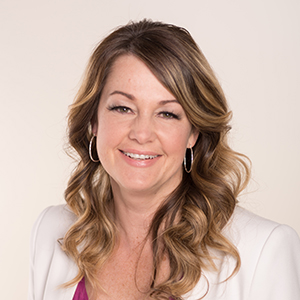
Zena Amundsen, CFP, is the owner of Astra Financial Services in Regina, SK.
 Find Your Financial Planner